
The Briefing
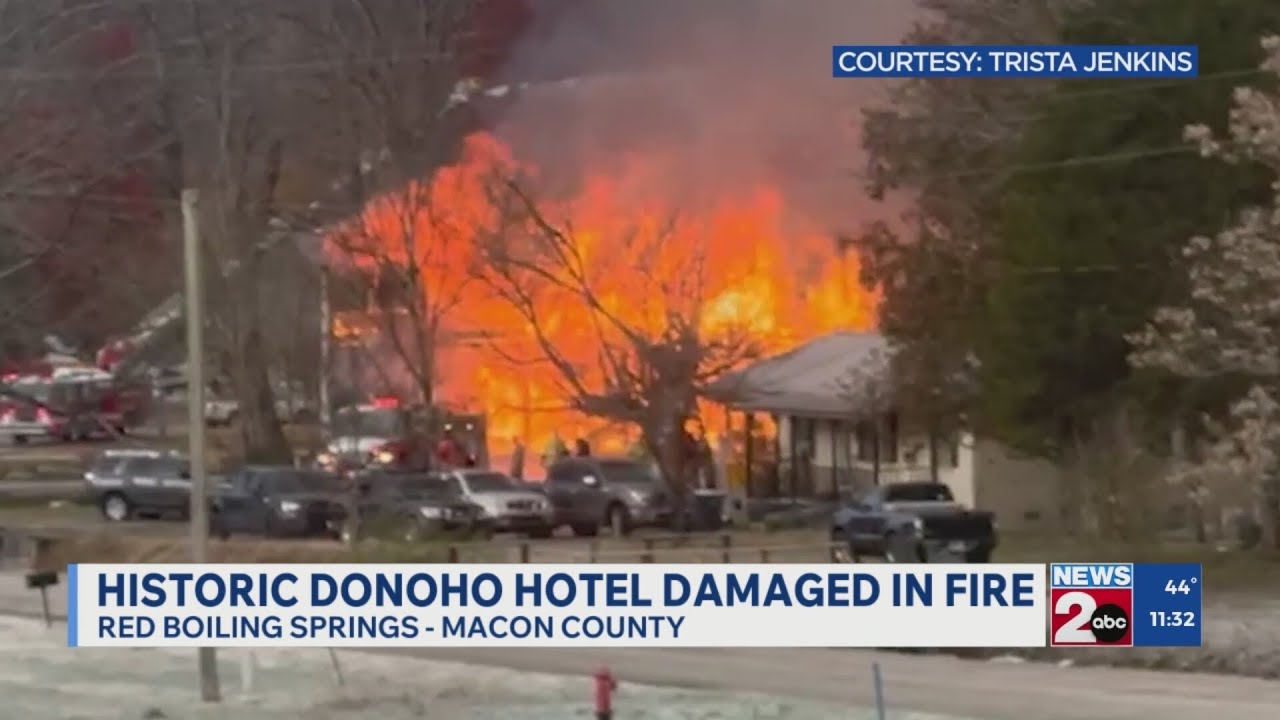
- A fire on the morning of November 12 2025 destroyed the century-old Donoho Hotel in Red Boiling Springs, Macon County, Tennessee.
- Firefighters identified heavy fire on arrival, believed to have started in a second-floor electrical equipment room.
- The 1914-built structure, a historic resort landmark, is considered a total loss; no firefighter injuries were reported.
Historic Landmark Engulfed
In the early hours of Tuesday, November 12, crews from the Red Boiling Springs Fire Department responded to heavy smoke and flames at the Donoho Hotel, a storied resort built in 1914 and deeply woven into the history of the Red Boiling Springs mineral-spring community. Upon arrival, firefighters found fire heavily involved along the side of the two-story white-frame building with its signature full-length porches.
Investigators believe the blaze originated in an electrical equipment room on the second floor, and rapidly spread through the aging structure’s wood-frame construction. Chief Randall Bray praised mutual-aid crews for their support under “challenging conditions,” noting the speed of fire spread and structural complexity.
The Impact on the Community
The Donoho Hotel was more than lodging—it was a living relic of the early twentieth-century resort era that drew visitors to Macon County’s famed mineral springs. Its loss is being felt deeply by residents and local businesses alike. Three occupants escaped unharmed, but the building is now deemed a total loss.
Local authorities have launched an investigation into the exact cause of the fire. Meanwhile, the community faces the long path of recovery and decisions about preservation, rebuilding, or reclamation of the site.
Operational Takeaways for Fire-EMS Teams
- Aging wooden structures—especially those with historic status—pose heightened risk of rapid fire spread and collapse.
- Electrical equipment rooms in older buildings are potential ignition points; proactive inspection and suppression strategies are critical.
- Mutual-aid coordination proved essential here: multiple departments responded and worked together under complex conditions.
- Community relations matter: Loss of landmark structures affects not just property but cultural identity and public morale.