
By MES Dispatch staff
The Briefing
• A NIOSH firefighter fatality report highlights the death of a Houston firefighter at a vacant warehouse fire in November 2024.
• The report identifies inadequate pre-incident planning for vacant structures as a key factor in the fatal collapse.
• Investigators found rapid intervention team personnel were placed in a collapse zone without detailed hazard information.
• NIOSH recommends departments develop pre-incident plans, clear collapse zone guidelines and enhanced risk-management protocols.
• The fatality report underscores hazards at buildings with compromised structural integrity.
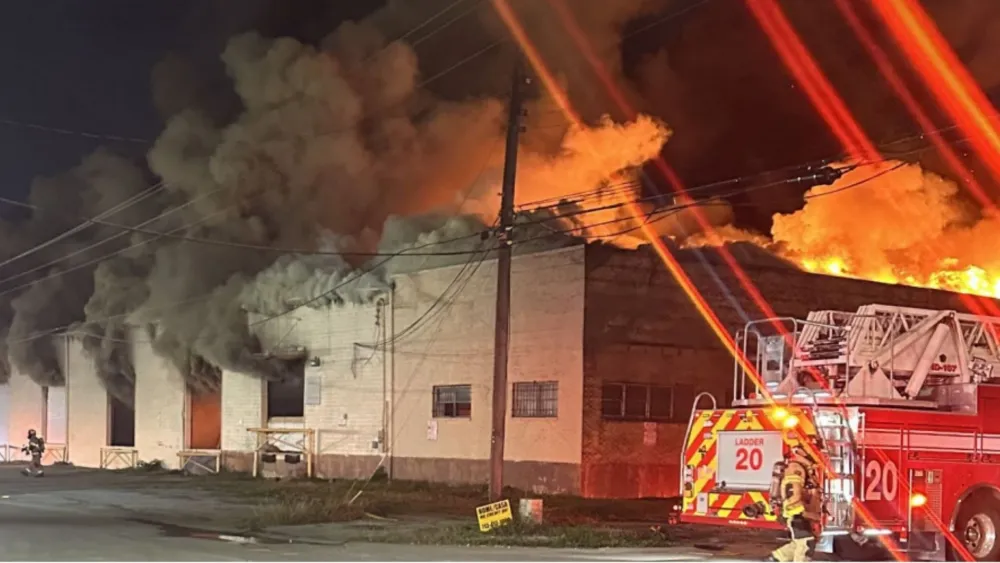
(HOUSTON, TX —) A National Institute for Occupational Safety and Health (NIOSH) fatality investigation released this week underscores the need for improved pre-incident planning of vacant or structurally compromised buildings after a Houston firefighter died while working at a vacant warehouse fire on Nov. 6, 2024.
Houston Fire Department/NIOSH
The report found that the Houston Fire Department lacked a detailed pre-incident plan for the vacant structure, which could have informed tactical decisions and hazard identification before crews were committed, according to investigators.
The firefighter was part of a rapid intervention team (RIT) assigned to assist at the scene when a section of the building collapsed during exterior operations, striking the crew and leading to a mayday and subsequent fatal injury; another firefighter was treated for non-fatal injuries.
NIOSH investigators identified contributing factors including the absence of detailed pre-incident planning for vacant buildings, lack of clear RIT deployment guidelines tied to hazard zones, and limited safety officer oversight during rapidly changing conditions.
The report recommends fire departments develop and maintain comprehensive pre-incident plans for structures within first-due areas, establish procedures governing RIT operations and collapse zones, and strengthen risk-versus-benefit analysis and hazard recognition training for personnel.