
By MES Dispatch staff
The Briefing
• Homeland Security officials warned lawmakers that a potential funding lapse for the Department of Homeland Security could disrupt disaster aid reimbursements, training and cybersecurity response operations.
• The short-term funding extension for DHS is set to expire soon amid stalled negotiations in Congress, raising the possibility of a partial shutdown.
• FEMA officials said its disaster relief fund can support ongoing emergency responses but long-term planning and catastrophic disaster response would be strained.
• Acting cybersecurity officials warned that a lapse in funding would reduce the agency’s ability to provide timely guidance on cyber threats.
• Officials also cautioned that many DHS personnel could continue working without pay, potentially impacting morale and recruitment.
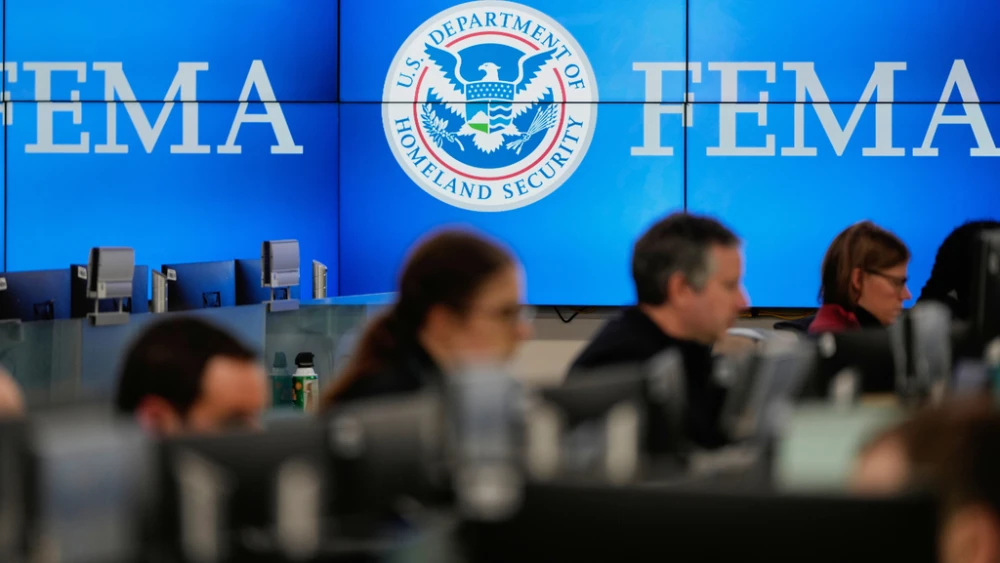
WASHINGTON, DC — Federal homeland security officials testified before a House panel Wednesday that the looming expiration of a short-term funding extension for the Department of Homeland Security could hinder key disaster response and cybersecurity operations if a funding lapse occurs.
Congress has passed full-year appropriations for most of the federal government, but DHS remains on a short-term continuing resolution set to expire soon amid stalled negotiations over immigration enforcement changes.
Officials said the Federal Emergency Management Agency’s Disaster Relief Fund has sufficient balances to support current emergency response activities, but long-term planning and the ability to respond if a catastrophic disaster strikes would be “seriously strained” under a shutdown scenario.
Acting cybersecurity leadership within DHS emphasized that cyber threats do not pause during funding lapses and warned that reduced capacity to provide guidance and training could diminish response to evolving risks to public and private sector networks.
Representatives from the Transportation Security Administration, Coast Guard and other DHS components noted that while essential operations would continue, members could be required to work without pay, potentially affecting morale, recruitment and retention if the stalemate persists.
Lawmakers were briefed on potential impacts including delayed reimbursement of disaster relief costs to states and interruption of long-term preparedness programs, underscoring the wide range of services that could be disrupted without a funding resolution.