
By MES Dispatch staff
The Briefing
- The National Transportation Safety Board found that a runway warning system did not alert air traffic controllers before a fatal collision at LaGuardia Airport because the responding ARFF fire truck lacked a transponder.
- An Air Canada regional jet struck the fire truck as it crossed an active runway while landing late March 22, killing both pilots and injuring others.
- Investigators said they have not yet interviewed the firefighters involved or determined whether they attempted to brake or avoid the collision.
- The NTSB noted that the system’s effectiveness depends on vehicle transponders and encouraged their use to improve runway safety.
- Federal investigators continue reviewing controller actions and flight recorder data as part of the ongoing probe.
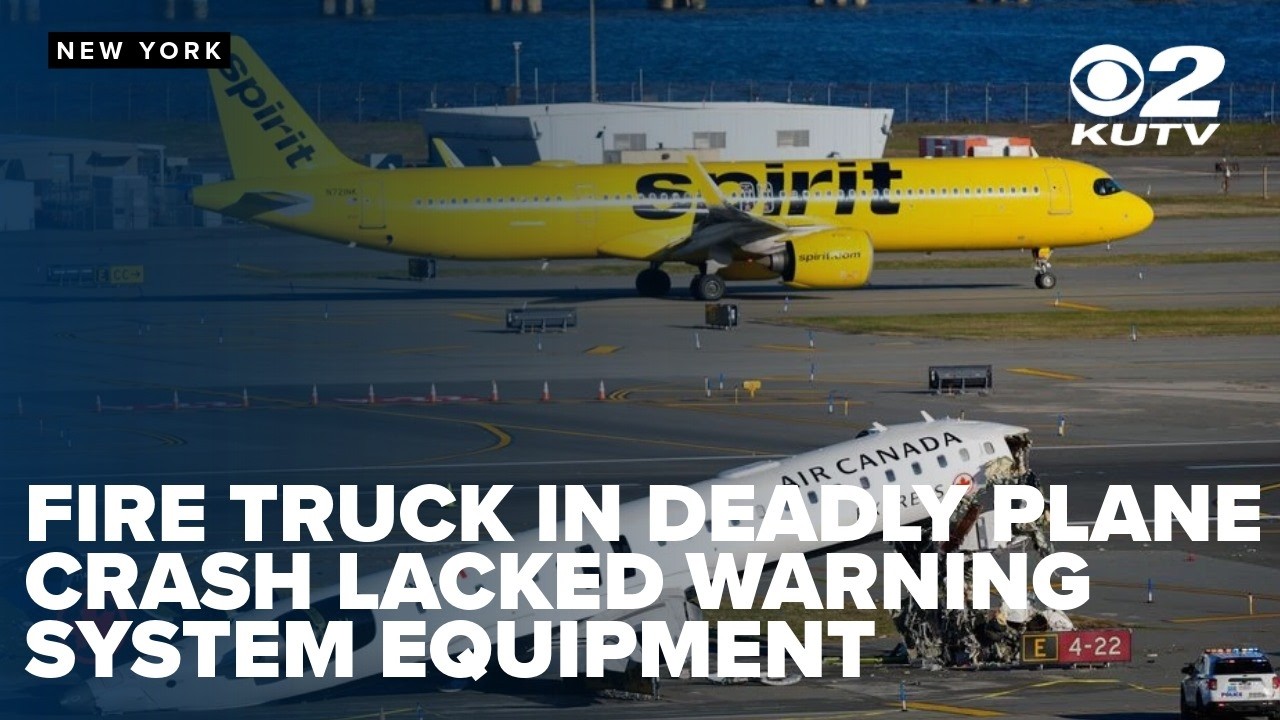
QUEENS, NY — Federal investigators have determined that a runway warning system failed to provide an alert before an Air Canada regional jet collided with an Aircraft Rescue and Fire Fighting (ARFF) vehicle at LaGuardia Airport because the responding fire truck did not have a transponder, the National Transportation Safety Board said.
The collision occurred late March 22 as the Bombardier CRJ-900 was landing and struck the ARFF vehicle crossing an active runway, killing the pilot and co-pilot and injuring several others, NTSB chairwoman Jennifer Homendy said during a briefing.
Investigators said the runway warning system did not activate as intended before the impact, noting the absence of a transponder on the fire truck meant the vehicle was not detected by the system that relies on transponder signals to track surface movements.
Homendy said NTSB officials have not yet interviewed the firefighters involved or determined whether they attempted to brake or turn to avoid the collision and that flight data recorder information remains under review as part of the ongoing investigation.
The board also said that although it has not formally recommended mandatory transponders on all airport vehicles, they should be equipped to improve situational awareness for controllers and reduce the risk of runway conflicts.