
By MES Dispatch Staff
The Briefing
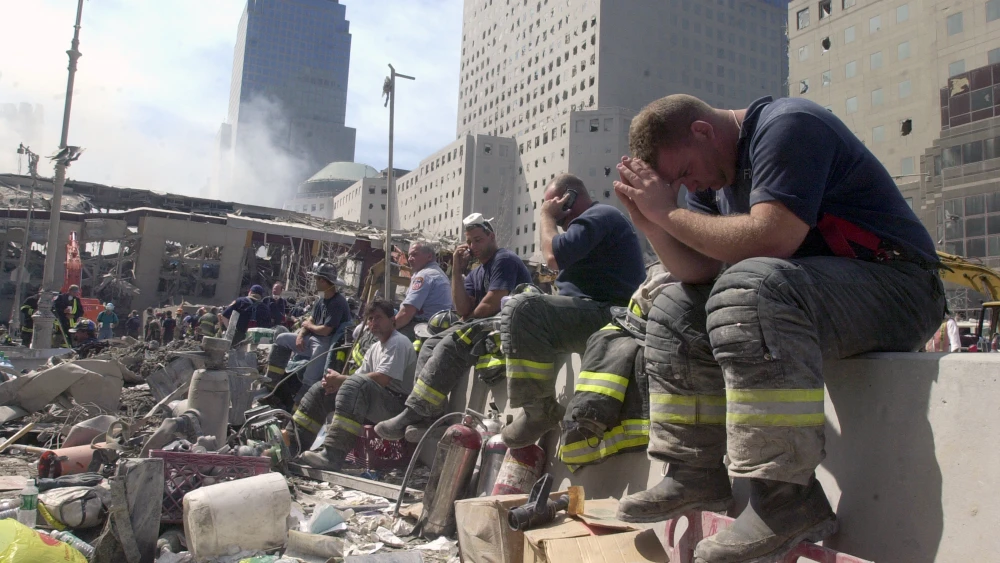
- • New York City Council leaders are seeking $4.5 million in the city’s FY27 budget to fund an investigation into what city officials knew — and when they knew it — regarding the dangers of air quality at Ground Zero following the September 11, 2001 terrorist attacks.
- • The City Council passed a resolution in 2025 directing the Department of Investigation to produce a report on the matter and submit it to the council by July 2027; the DOI has stated it cannot begin the mandated work until $4 million in funding is secured.
- • In November 2025, the city’s Department of Environmental Protection discovered 68 boxes of previously undisclosed documents related to post-9/11 air quality and the city’s response to the World Trade Center collapse — found during an office renovation.
- • An internal memo surfaced prior to the funding push revealing that city officials anticipated health-related lawsuits in the weeks following the attacks, even as officials were publicly stating that air quality remained safe.
- • Advocates and council members are also calling for the release of all documents related to post-9/11 toxin exposure, which prior city administrations had withheld, citing concerns about litigation.
NEW YORK, N.Y. — New York City Council leaders are pushing to include $4.5 million in the city’s fiscal year 2027 budget to fund a formal investigation into what city officials knew about the health dangers of Ground Zero air quality following the September 11, 2001 terrorist attacks — and to compel the release of all related records, officials announced ahead of a June 2026 Council Oversight and Investigations Executive Budget hearing.
The funding request centers on a 2025 resolution passed by the City Council directing the Department of Investigation to determine when city officials first became aware that air quality in the area surrounding Ground Zero was hazardous, and to deliver a written report to the council no later than July 2027. The DOI has requested $4 million to carry out the study, and a department spokesperson stated that the agency cannot proceed with the mandated work until that funding is secured.
City Council Speaker Julie Menin and Councilwoman Gale Brewer have been among the most prominent voices pressing for both the funding and the broader document release. Menin stated that thousands of families — including her own — are still awaiting answers about what the city knew regarding toxin exposure that sickened or killed their relatives. “The City Council has continually demanded full transparency and accountability,” Menin said in a statement. “Now, we’re fighting for additional funding in the budget that will allow the city to finally complete and release this long-overdue report.”
The push for accountability accelerated after an internal city memo surfaced showing that officials anticipated health-related lawsuits in the weeks immediately following the attacks, even as city leaders publicly assured residents and first responders that air quality was safe. In February 2026, Menin and Brewer joined advocates and labor leaders to formally demand the release of all records related to post-9/11 toxin exposure.
The document landscape shifted significantly in November 2025, when the city’s Department of Environmental Protection discovered 68 boxes of previously undisclosed materials related to the city’s environmental response to the World Trade Center collapse. City officials said the boxes were found during an office renovation that included carpet installation at DEP offices. The discovery came after attorney Andrew Carboy, representing families of 9/11 illness victims, and the advocacy group 9/11 Health Watch had formally requested records in 2023 — including documentation explaining why then-Mayor Rudolph Giuliani sought liability protection from toxic exposure claims while officials simultaneously told the public air quality posed no danger.
Multiple prior city administrations fought disclosure of past 9/11-related studies and records, citing concerns about litigation exposure from first responders and survivors suffering from 9/11-related illnesses. Councilwoman Brewer stated that early analysis of the toxins that spread across lower Manhattan and northern Brooklyn could yield medical advances for those still battling 9/11-related health conditions. “Any further delay is unconscionable,” she said in a statement. The FY27 budget vote is pending before the full City Council.