
By MES Dispatch Staff
The Briefing
- • The Schaumburg, Illinois, Fire Department has adopted a new fee schedule targeting residents who make repeated non-emergency EMS calls for services such as lift assists and household help that do not result in patient transport or require medical care.
- • Under the new policy, fees begin with the 11th non-transport call in a calendar year: $100 for the 11th call, $250 for the 12th, and $325 for each subsequent call.
- • Fire Chief Fabio Puccini presented the change to the village’s public safety committee, stating the goal is to reduce strain on emergency resources and redirect residents to more appropriate long-term support services — not to generate revenue.
- • Village social workers are available to connect residents with community services better suited to non-medical assistance needs.
- • The neighboring communities of Hoffman Estates and Arlington Heights have implemented similar escalating fee structures for repeated non-medical lift-assist calls.
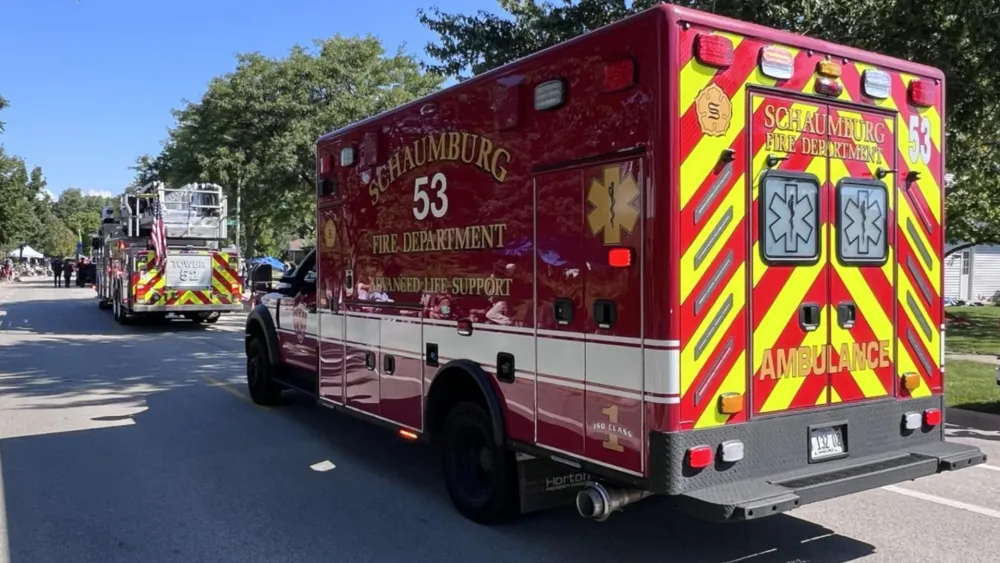
SCHAUMBURG, Ill. — The Schaumburg Fire Department has adopted a tiered fee structure for residents who repeatedly request paramedic response for non-emergency, non-transport calls — a policy change department officials say is designed to protect emergency resources and connect high-frequency callers with more appropriate community support services.
The new policy, presented to the village’s public safety committee by Fire Chief Fabio Puccini, establishes fees beginning with the 11th non-transport EMS call placed by a resident within a calendar year. Under the structure, the 11th such call carries a $100 fee, the 12th is billed at $250, and each additional call beyond that is charged at $325. The policy applies specifically to repeated non-medical requests — such as lift assists for individuals who have fallen without injury, or requests for help locating misplaced items — and does not apply to calls that involve a genuine medical assessment, regardless of whether the patient is transported.
Puccini stated the intent of the fee structure is not to generate revenue for the department, but to reduce the volume of repeated non-medical calls that consume emergency personnel time and apparatus availability. He noted that village social workers are equipped to connect residents with community-based long-term support services better suited to their ongoing needs.
Schaumburg’s approach is consistent with policies already in place in several neighboring communities. Both Hoffman Estates and Arlington Heights have adopted similar escalating fee structures for repeat non-medical lift-assist calls, under which an initial number of calls remain free before fees begin to accrue.