
By MES Dispatch Staff
The Briefing
- Rockland Paramedic Services expanded its advanced life support capabilities by deploying 14 Cyanokits to treat cyanide poisoning in smoke inhalation patients from enclosed-space fires.
- The antidote uses hydroxocobalamin, a form of vitamin B12 that binds to cyanide so it can be eliminated from the body, allowing paramedics to initiate treatment at the scene before hospital arrival.
- Smoke inhalation causes the majority of residential fire deaths, and research has documented cyanide poisoning involvement in many enclosed-space fire injuries and fatalities.
- Firefighters face exposure to dangerous cyanide levels during structure fires, making rapid field treatment critical to improving patient outcomes.
- Because no rapid field test exists for cyanide poisoning, trained paramedics rely on fire conditions, patient symptoms, and clinical indicators to determine when treatment is appropriate.
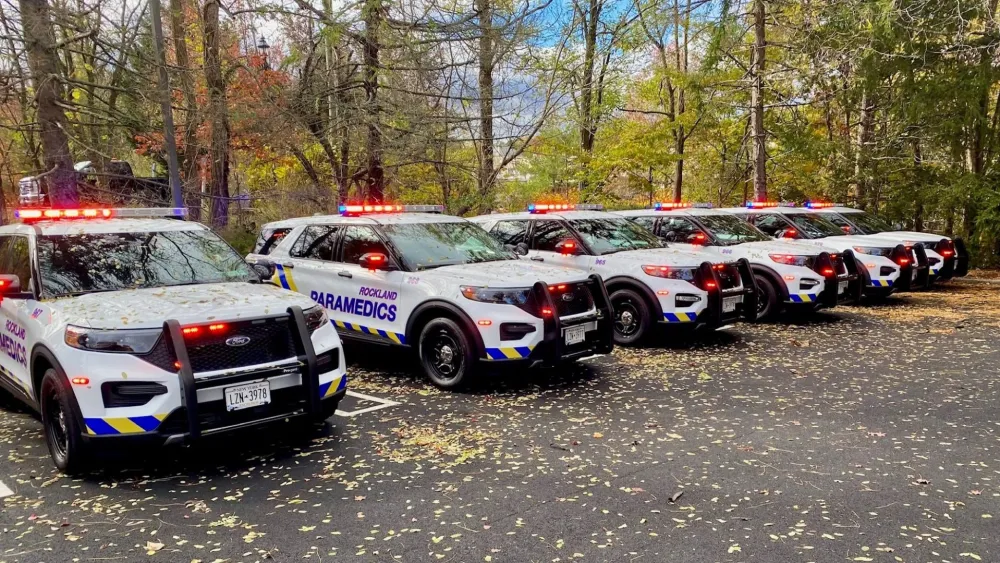
ROCKLAND COUNTY, N.Y. — Rockland Paramedic Services has expanded prehospital treatment capabilities for fire victims by equipping its fleet with 14 Cyanokits, allowing paramedics to treat suspected cyanide poisoning at the scene before hospital transport.
The addition of Cyanokit strengthens the agency’s advanced life support program and reflects continued investment in evidence-based treatment and paramedic training. Executive Director Tim Egan stated that the deployment represents the agency’s ongoing commitment to providing the highest level of emergency medical care to Rockland County residents and firefighters.
Cyanokit uses hydroxocobalamin, a form of vitamin B12, to bind with cyanide in the bloodstream, allowing the toxic compound to be eliminated from the body. The treatment permits paramedics to initiate therapy in the field, potentially improving survival rates for fire victims and firefighters exposed to smoke.
Research has established that smoke inhalation accounts for the majority of residential fire deaths. Studies have documented that cyanide poisoning plays a significant role in injuries and fatalities resulting from enclosed-space fires, where combustion of synthetic materials produces toxic byproducts including hydrogen cyanide.
Firefighters responding to structure fires face the risk of exposure to dangerous cyanide levels, making rapid treatment critical. The deployment of Cyanokit across Rockland Paramedic Services’ fleet ensures the antidote is available for immediate field use.
Egan emphasized paramedic training as essential to the program. “Our paramedics continually train on the latest lifesaving techniques and technologies so they are prepared to provide the most advanced care possible when seconds count,” Egan stated.
Because no rapid field diagnostic test exists for cyanide poisoning, trained paramedics rely on clinical decision-making based on fire scene conditions, visible patient symptoms, and objective medical indicators to determine when Cyanokit administration is warranted.