By MES Dispatch Staff
The Briefing
- Cleveland officials presented a roughly $245 million plan this week to the City Council’s Safety Committee to repair, renovate or replace fire stations, 87% of which are more than 40 years old.
- The plan calls for about $30 million in repairs, $65 million to renovate or expand 12 stations and $150 million to replace 10 stations.
- The two-year study, conducted by the Mayor’s Office of Capital Projects, the city’s fire and EMS divisions and outside architects, examined all 24 existing stations and aims to modernize safety features, including separating living quarters from apparatus bays and adding female quarters at every station.
- The city also wants to bring EMS operations, currently housed partly outside fire stations, back into station buildings where possible.
- City officials said no overall replacement schedule or full funding plan exists yet; council members pressed for more data on response times, coverage gaps and air quality before further projects move forward.
CLEVELAND — Cleveland has unveiled a roughly $245 million plan to repair, renovate or replace its fire stations, 87% of which are more than 40 years old, according to a presentation this week to the City Council’s Safety Committee.
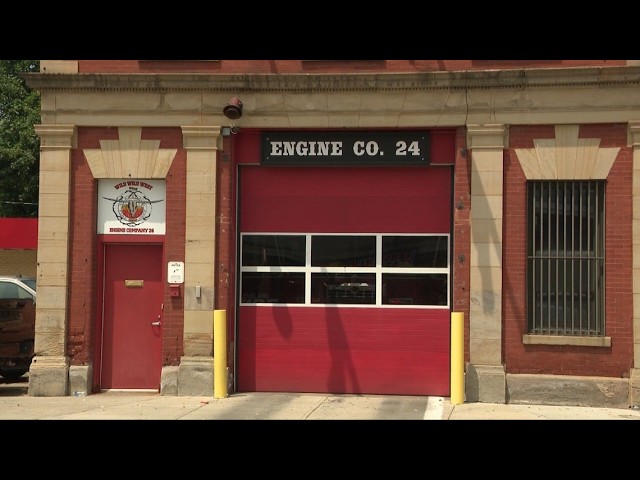
The plan calls for about $30 million in repairs, $65 million to renovate or expand 12 stations and $150 million to replace 10 others. The city’s fire stations average about 66 years old; the oldest operating station, Fire Station 24, was built in 1910, while the newest, Station 26, opened in 2025. The roughly two-year study behind the plan was conducted by the Mayor’s Office of Capital Projects, the city’s fire and EMS divisions and outside architects, examining all 24 existing stations.
The goal is to bring stations closer to modern safety standards for firefighters and EMS workers, including creating a buffer between living quarters and areas where fire trucks are parked, improving ventilation, providing female quarters at every station, adding drive-through apparatus bays and improving accessibility. The city also wants to bring its seven EMS units, which currently operate from locations outside fire stations, back into station buildings where possible while continuing to strategically stage ambulances citywide.
The 12 stations identified for renovation are considered good candidates because of their condition, location and available property for expansion. The 10 proposed for replacement are generally older, have difficult layouts or sit on properties too small to expand. City Architect Mark Duluk cautioned that the roughly $241.4 million estimate, rounded to $245 million in the presentation, will change as individual projects are designed and bid, and warned that delaying construction could raise costs further as prices continue to rise.
Council members focused much of their questioning on where replacement stations would be built and how locations would affect emergency response times. Councilman Charles Slife requested the city’s analysis of response times at existing and proposed locations, along with call-volume data and information on potential coverage gaps. Councilwoman Nikki Hudson pressed officials on how the 10 replacement stations would be prioritized and requested indoor air-quality studies, particularly at older stations where living quarters sit close to apparatus bays.
City officials said there is no overall replacement schedule yet. One exception is the Madison Avenue station, where the city is pursuing land and has capital-budget funding for future design and construction; a potential site for a new Fire Station 24 has also been identified at the Walton School property, though funding for that project has not yet been secured. Public Safety Director Wayne Drummond said residents and council members would be notified before any station closed temporarily for construction, with apparatus relocated to maintain coverage.
The city has not yet hired contractors for the broader modernization program, and council members are seeking additional data on costs, locations, response times and worker safety before further projects advance.