
By MES Dispatch Staff
The Briefing
- A paramedic in Ohio was stabbed in the lower back on July 8, 2026, while a three-person medic crew attempted to transport a patient under an involuntary commitment order from an outpatient behavioral health clinic.
- The National Institute for Occupational Safety and Health investigated the incident as a serious injury and released its findings this week.
- Police were attending shift-change roll call and had not yet arrived when the patient pulled a pocketknife with a 4-inch blade during the encounter.
- NIOSH found the crew perceived low risk after the case manager who called 911 said the patient was not causing a problem; the crew wore duty uniforms rather than ballistic vests.
- The paramedic was off work for three weeks, and the local 911 center has since changed its dispatch protocols for mental health calls.
OHIO — A National Institute for Occupational Safety and Health investigation has detailed how a routine involuntary commitment transport in Ohio ended with a paramedic being stabbed, and recommended changes to dispatching, police coordination and crew safety practices.
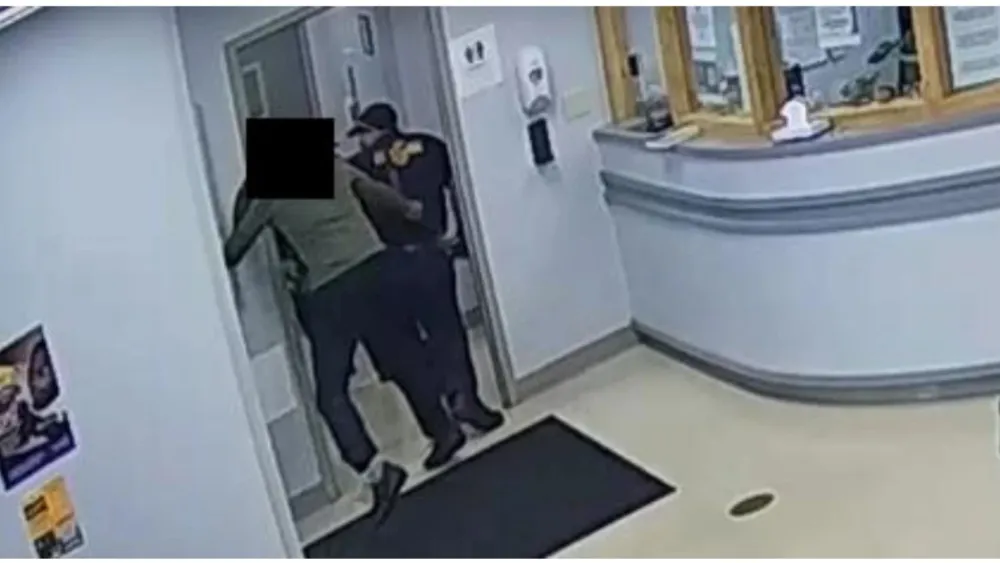
On July 8, 2026, a three-person medic crew responded to an outpatient behavioral health clinic to transport a patient under a commitment order, according to NIOSH. The case manager who called 911 said the patient was not causing a problem. When the patient refused to go, they pulled a pocketknife and stabbed the paramedic in the lower back as the crew retreated. Police were at roll call at the time, and units already on another call had been told law enforcement would be delayed. The medic officer radioed for an immediate police response, then repeated the request as an emergency when none arrived.
NIOSH concluded that several factors contributed. The clinic prohibited weapons and employed licensed clinicians, which the report said lowered the crew’s sense of danger. The crew was in duty uniforms, not the ballistic vests the department’s procedure calls for on mental health calls, and NIOSH noted the vests carried are not rated to stop edged blades. The report also found that involuntary commitment transports in the jurisdiction were dispatched under a generic code for emotionally disturbed persons rather than their own, leaving no distinction between a medical need and a custody and security task. The department ran 512 such transports in 2025, most at repeat locations.
Investigators said strained resources had normalized crews engaging patients before police arrived, at times waiting more than 20 minutes for officers, to clear calls and return to higher-priority emergencies. NIOSH described the practice as normalization of deviance. The report also noted the patient was told of the commitment in a public lobby, and said a private setting and an unhurried conversation might allow for de-escalation.
NIOSH recommended that the department train members to request emergency law enforcement response at the first sign of a weapon threat, gather patient history from clinicians before contact, revisit procedures that allow the senior member to waive ballistic protection, and create written response agreements with police backed by call data. It also recommended that the 911 center create dedicated codes for involuntary commitments, send fire and EMS only for a reported medical need, and send law enforcement whenever threats, violence or weapons are reported. The report called on local partners to consider a 24/7 mobile crisis team for non-violent patients and asked health care providers to deliver commitment news in a secure, private setting.
The 911 center has since changed its dispatch protocols at the direction of the fire chief, according to the report. The fire department will no longer be dispatched directly to mental health incidents unless law enforcement is already on scene and requests a medical response.