
By MES Dispatch Staff
The Briefing
- Tacoma City Manager Hyun Kim’s proposed 2027-2028 budget would eliminate the Tacoma Police Department’s Community Service Officer program and the Tacoma Fire Department’s HOPE team as part of efforts to close a $40 million shortfall.
- The proposal also includes layoffs that could tentatively affect 35 city employees, a business license fee increase for firms earning over $5 million and a new 10% tax on paid commercial parking.
- Kim presented the plan at the City Council’s Oct. 6 study session; it is not final, and the council is expected to finalize the budget around Nov. 17.
- Council members, including at-large member Kristina Walker, voiced concern about losing alternative response programs; Kim said the city would keep other efforts such as its Homeless Engagement and Alternatives Liaison, or HEAL, team.
- Mayor Anders Ibsen said many calls handled by the HOPE team ended up needing police or fire response anyway.
TACOMA, Wash. — Two of Tacoma’s alternative response programs are at risk of elimination under the city manager’s proposed 2027-2028 budget, according to The News Tribune.
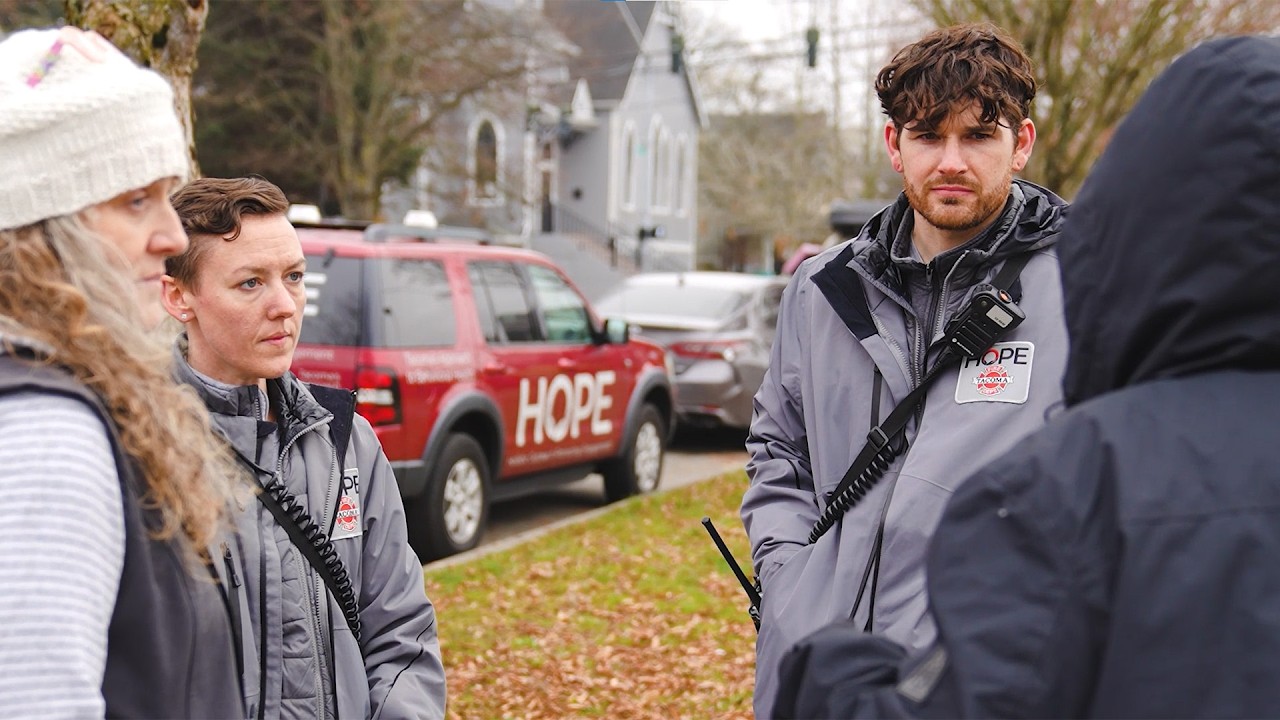
The Tacoma Police Department’s Community Service Officer program sends unarmed officers to non-violent, non-emergency and low-risk calls. The Tacoma Fire Department’s HOPE team dispatches trained staff to 911 calls to support people experiencing behavioral health crises. Their elimination, along with layoffs that could tentatively affect 35 city employees, is among the strategies City Manager Hyun Kim proposed to address a $40 million shortfall in the next two-year budget. “We just can’t afford it – unless we make tradeoffs,” Kim said at the Oct. 6 City Council study session.
The deficit lies within a proposed $696 million general fund, part of an overall $5.3 billion city budget, and is structural, meaning expenses continue to outpace revenues in a way a one-time infusion cannot fix. Kim said the cuts and new revenues in the proposal produce a balanced budget for 2027-2028. Revenue measures include higher business license fees, which would rise from $2,000 to $2,600 for businesses earning between $5 million and $10 million and up to $3,000 for those above $10 million, while fees for businesses earning under $1 million would fall. The fee changes are projected to raise $6.2 million. A new 10% tax on paid commercial parking, which would apply to privately run lots and fund transportation infrastructure outside the general fund, is projected to raise $2.25 million.
Council members acknowledged the difficulty of closing the gap while preserving services, and several raised concerns about the proposed cuts to alternative response. “I have heartache around losing support for alternative response,” Council Member Kristina Walker said. Kim noted that the proposal would not end alternative response altogether, and that groups such as the Homeless Engagement and Alternatives Liaison, or HEAL, team would continue. Mayor Anders Ibsen said the HOPE team was designed partly to reduce the workload for regular law enforcement, but the city found that many of its calls required police and fire response anyway.
If the budget is approved, the city’s forecast of budget gaps of $40 million, $75 million and $106 million over the next three two-year cycles would change to $0, $18 million and $40 million. In April, the city extended a freeze on hiring and promotions, and council members approved a 0.1% public safety sales tax that took effect earlier this year.
The proposal is not final. Council members and city staff will spend the next month discussing it and gathering public feedback, and the council could propose changes before finalizing the budget around Nov. 17.